“Painting is my life. It is what I will love most until the end of my days.”
Sure! Here’s the translation to English:
Her first steps in art were linked to sacred painting. She created significant representations of virgins and Christs, including one of special meaning inspired by a dream in which an angel visited the Virgin Mary and the Child Jesus.
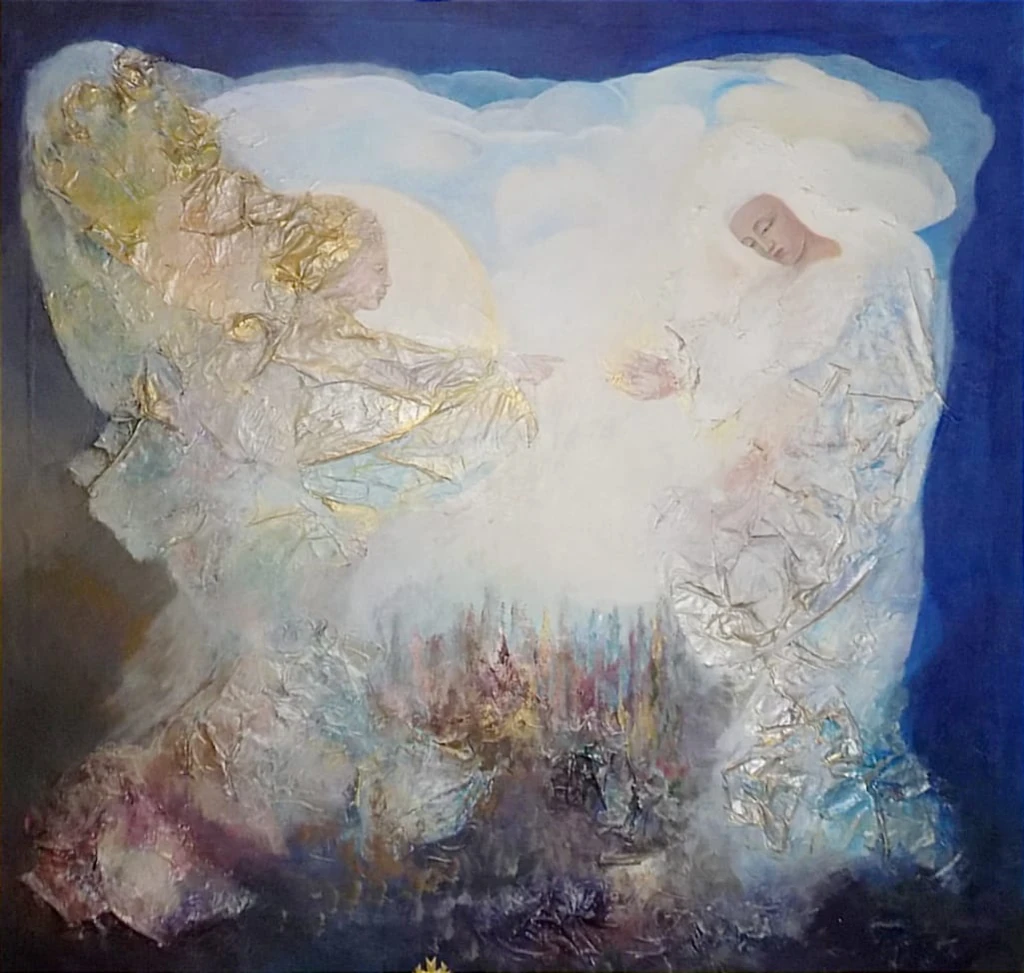
Her training in Italy marked a turning point in her artistic development, and it was there that she began to consolidate a remarkable career. After this initial stage dedicated to sacred painting, Norma explored various artistic languages, including still lifes, nudes, figurative painting, abstraction, and cubism. However, over time, she directed her focus towards the representation of reality, cultural identity, and the stories of people from the interior of Argentina and Latin America, from Bolivia and Peru to Ecuador.
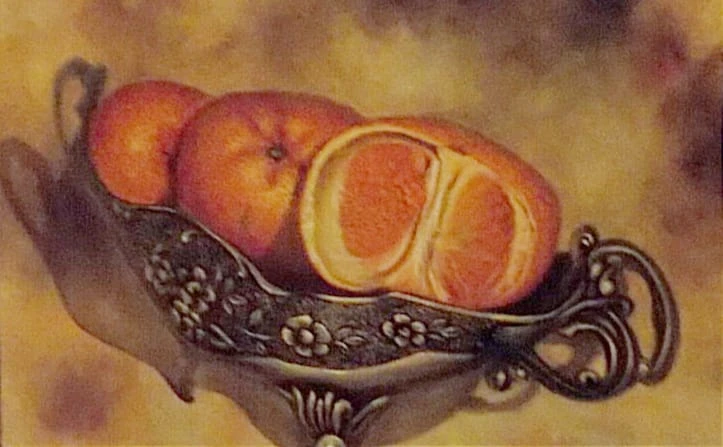
Norma defines herself as an expressionist figurative painter, whose work combines subjectivity, sensitivity, and lyricism. Through her sketches and brush strokes, she recreates ancestral traditions, vast landscapes, and the characters that inhabit the northern Argentine ravines. Her work possesses a marked emphasis on realism and local customs.
“I am in love with the natural beauties that my country offers; I traveled inland and lived with the people there,” Norma commented.
Those who knew her often pointed out a particularity that became part of her artistic identity. They said that Norma “sprang forth” in each of her works because she left a part of herself, her sensitivity, and her way of understanding the world. Over time, this characteristic attracted so much attention that her last name became associated with that capacity to emerge in every painting and every story she brought to the canvas.
Painting as a Way of Life
Throughout her artistic journey, color became a fundamental tool for portraying customs, ancestral beliefs, and scenes from daily life. Some of her works reflect people descending from the mountains to trade crafts in towns and cities, as well as the traditions that gave identity to the communities of northwestern Argentina and other Latin American regions.
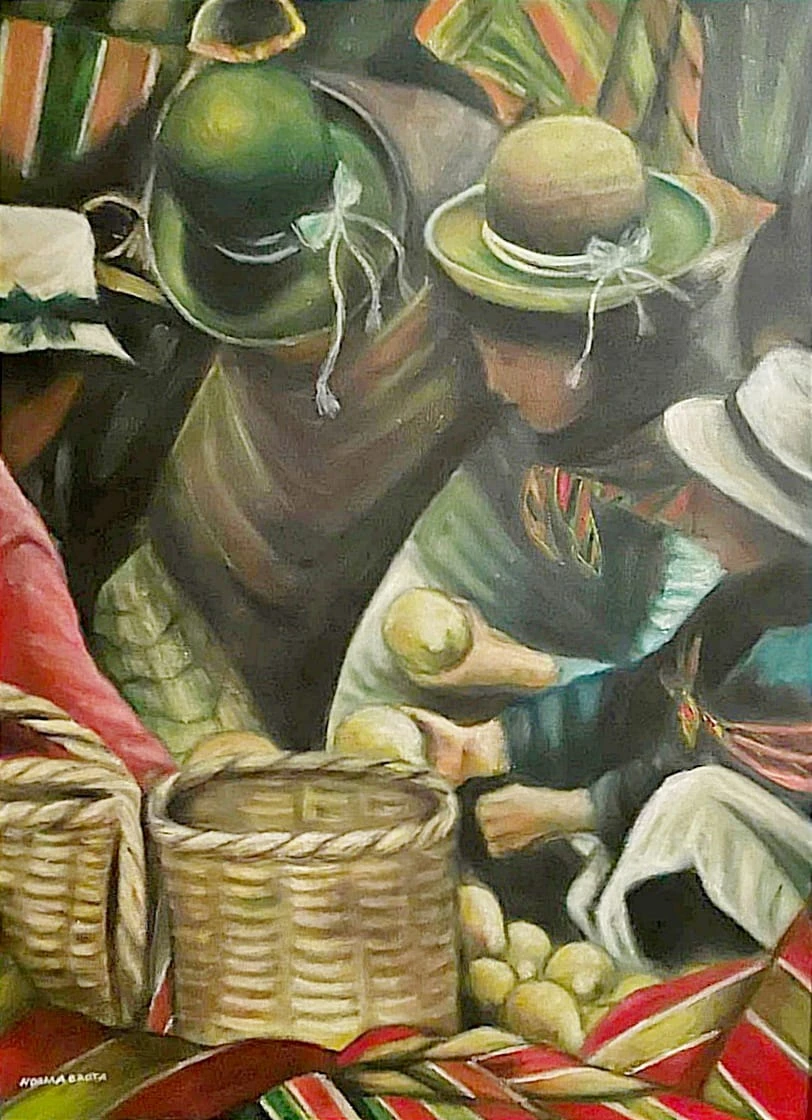
Among her most representative creations is an evocation of Pachamama, where a successful perspective highlights large, protective hands, filled with tenderness. In contrast, the hands of the woodcutter appear hardened and bony, revealing strength and a life dedicated to work. She also portrayed vendors of trinkets, a theme to which she devoted extraordinary patience: she managed to depict 135 jars of various sizes throughout her production.
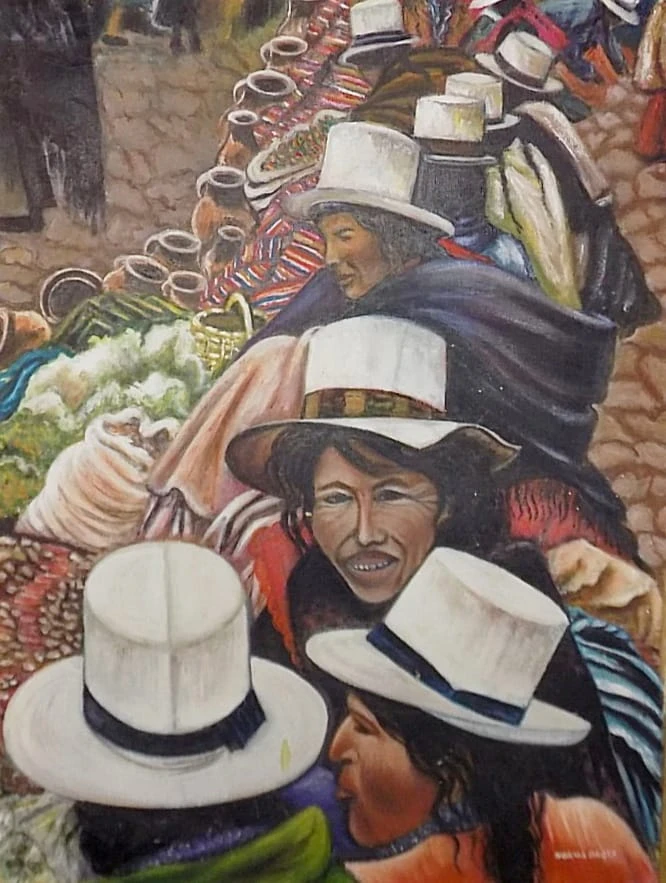
Norma's vigorous brush strokes convey an extraordinary expressive and human strength. Anyone witnessing one of her works doesn't need technical knowledge to be moved: the characters and landscapes inhabiting her canvases emerge with all the intensity and poetry of those who are part of Argentina's cultural heritage.
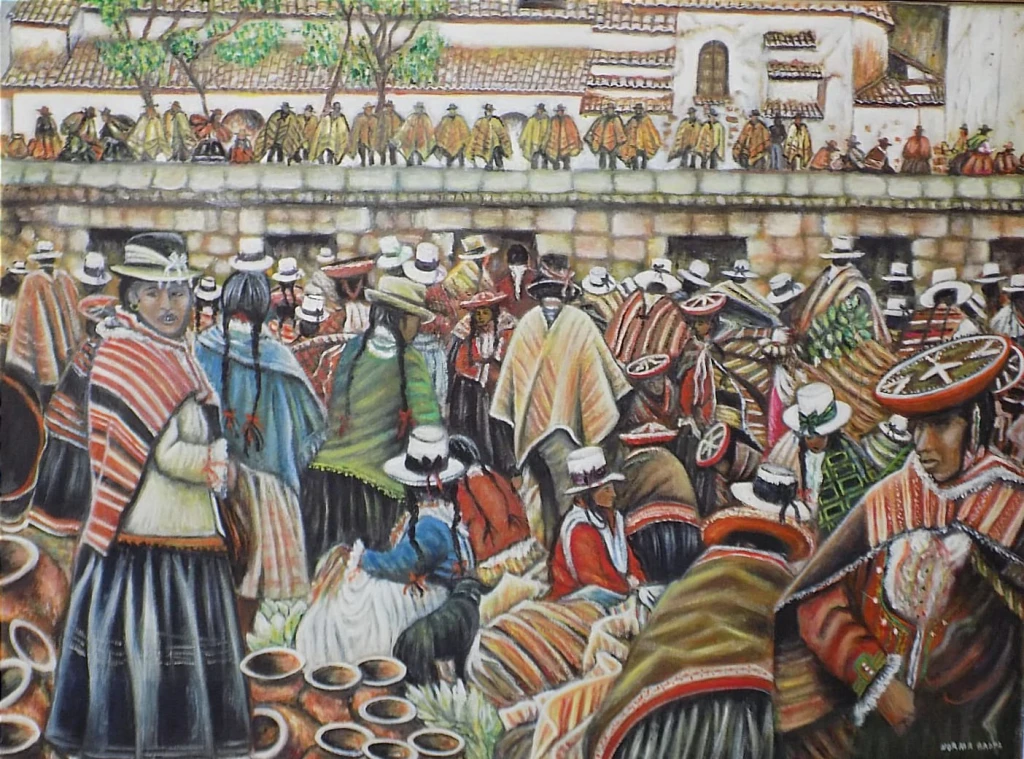
Her career maintained constant evolution, to the point of being compared to great Mexican muralists like Rivera and Orozco, both for the intensity of her color palette and for the deep social and human content of her themes. Her painting was nourished by travels throughout Latin America and experiences of direct coexistence with indigenous communities, absorbing their customs and beliefs firsthand.
One particularly noteworthy aspect of her production is the central place occupied by faces. This fascination with capturing people's identities demanded years of observation but also brought her some of her greatest satisfactions.
“Some portraits have taken me more than ten years to bring to canvas,” the artist recalled.
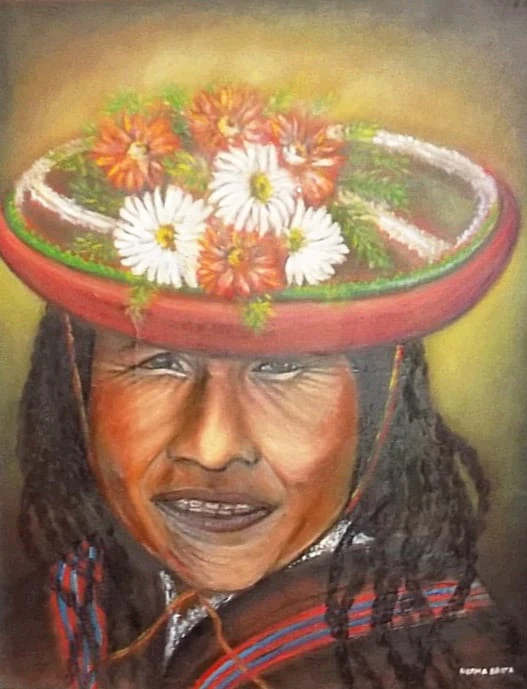
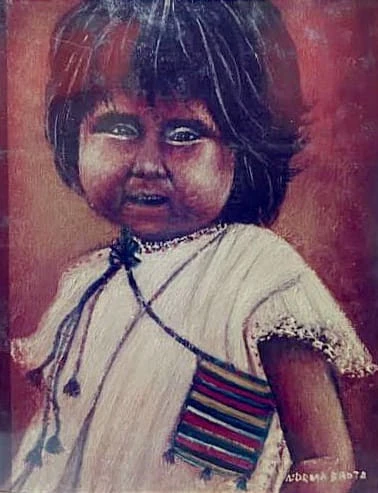
In this pursuit, she chose individuals whose features represented a community or region. For example, the image of a Mataco indigenous person fishing by throwing a stone into the water was born this way. Before bringing it to the canvas, she studied the customs and daily life of the locals for some time. Then she would make sketches, and once she defined the composition, she worked directly on the canvas using pure colors, layered successively until reaching the desired tone.
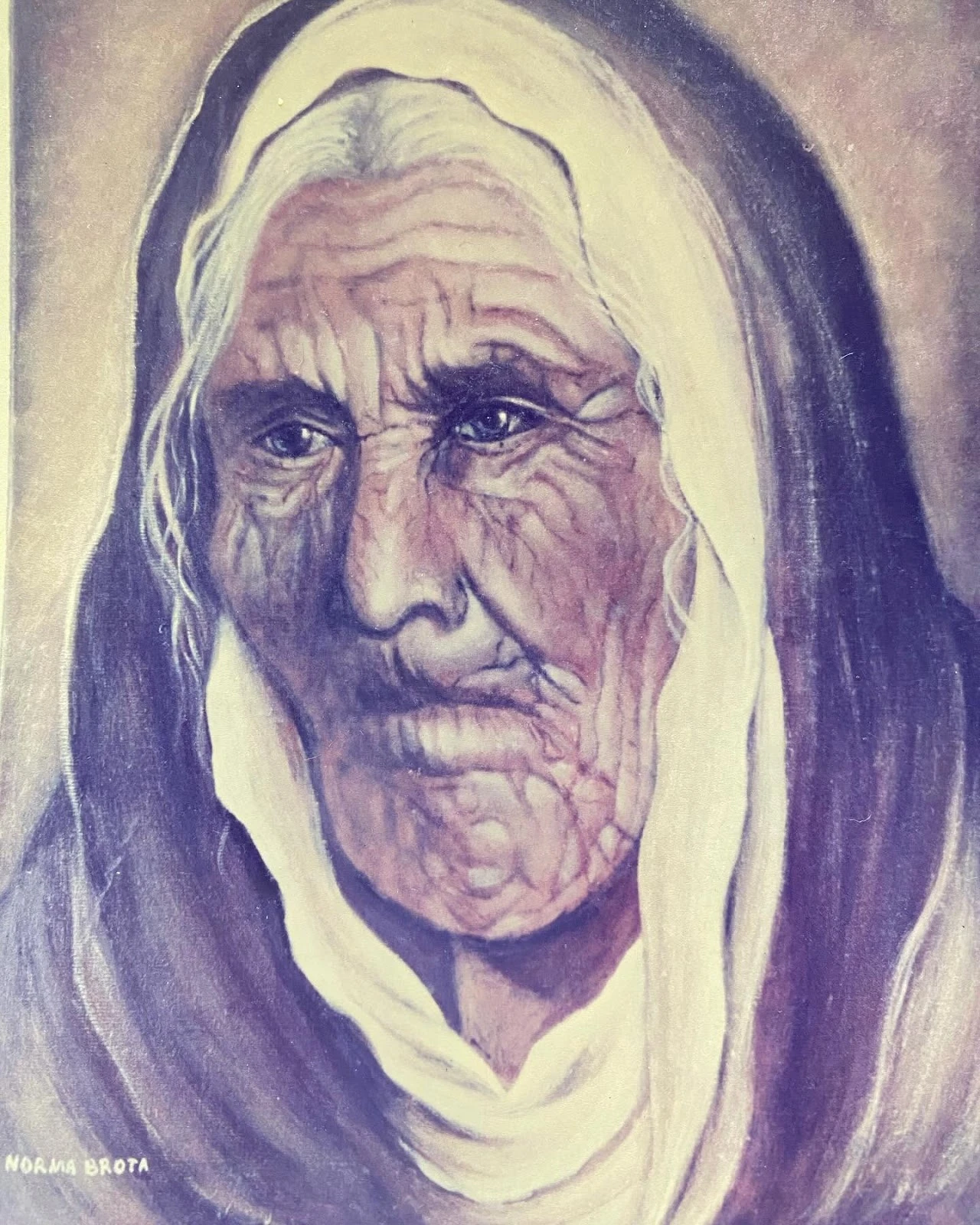
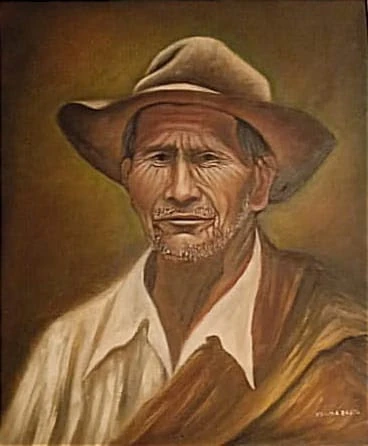
Some color ranges required more than twenty applications of paint, a perseverance that explains the intensity and characteristic strength of her strokes. Many who observed those energetic brush strokes without knowing their author assumed they belonged to a male painter.
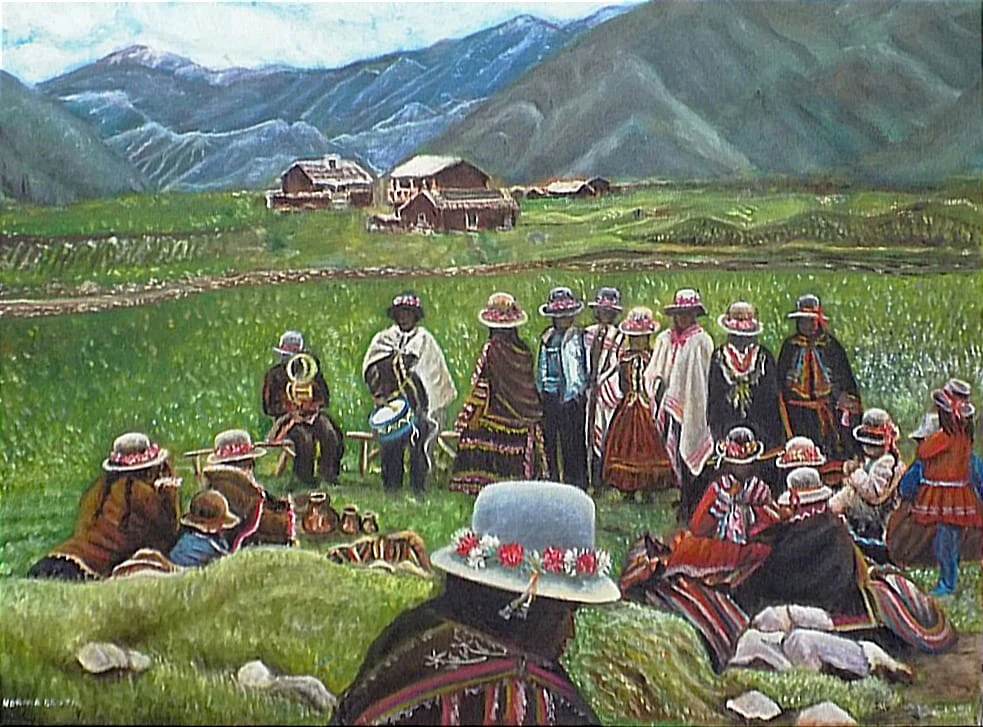
A Work Committed to Reality
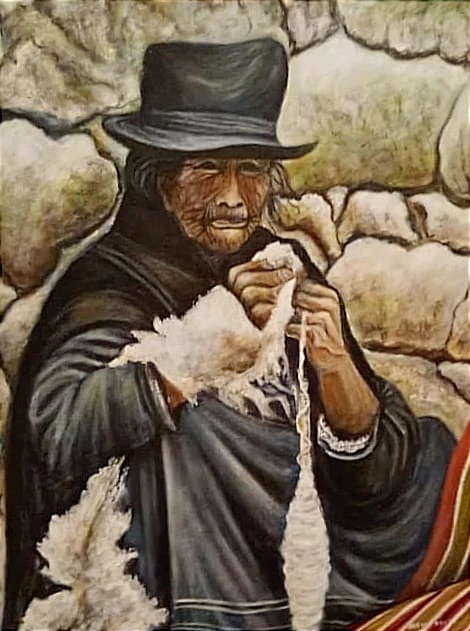
Beyond technical aspects, one of the most moving characteristics of Norma's production is her connection to human reality. Her figures seem to take on a life of their own and, from the canvas, confront the viewer about forgetfulness, abandonment, and various forms of subjugation. The artist always sought to represent them in specific tasks. Thus, each image transcends the individual portrait to become a symbol of issues affecting certain sectors of society.
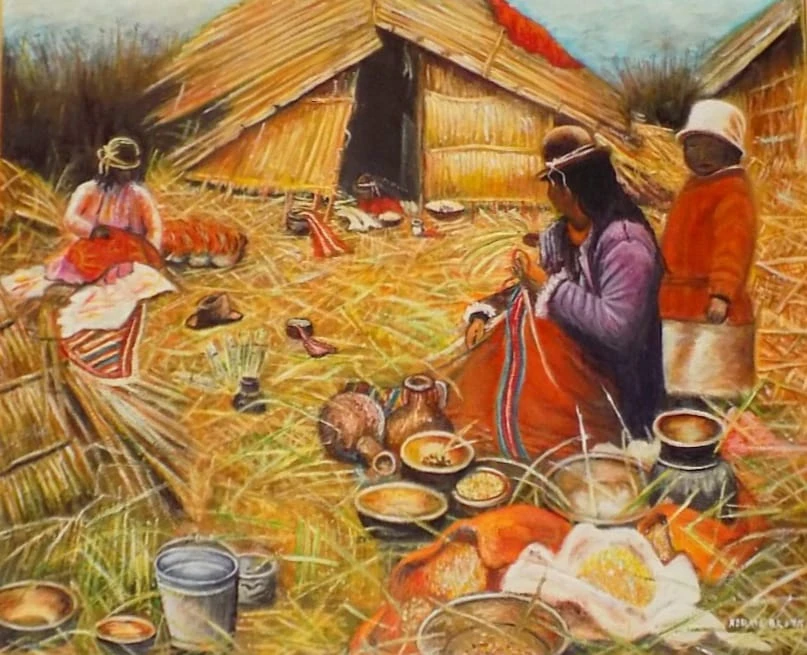
The plastic and compositional resources she employs reinforce that intention. The vigorous brush strokes create atmospheres that align with the stories she narrates, while the expressive force becomes one of the fundamental pillars of her visual language. Her work can also be defined as local customs-focused, as it features carnivals, fairs, pilgrimages, and other manifestations of popular culture.
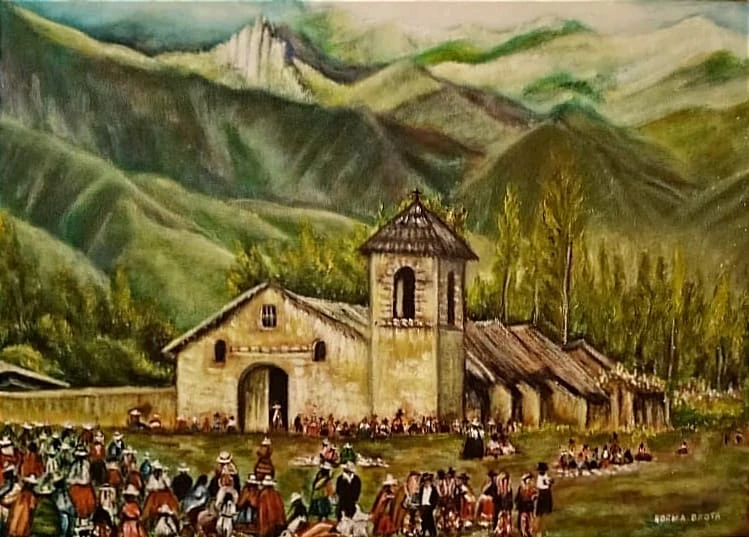
Driven by an inexhaustible curiosity, she traveled from Tierra del Fuego to Jujuy in search of themes capable of moving her sensitivity. In Salta, she ventured along mountain paths accessible only by mule, living with the locals and sharing their customs.
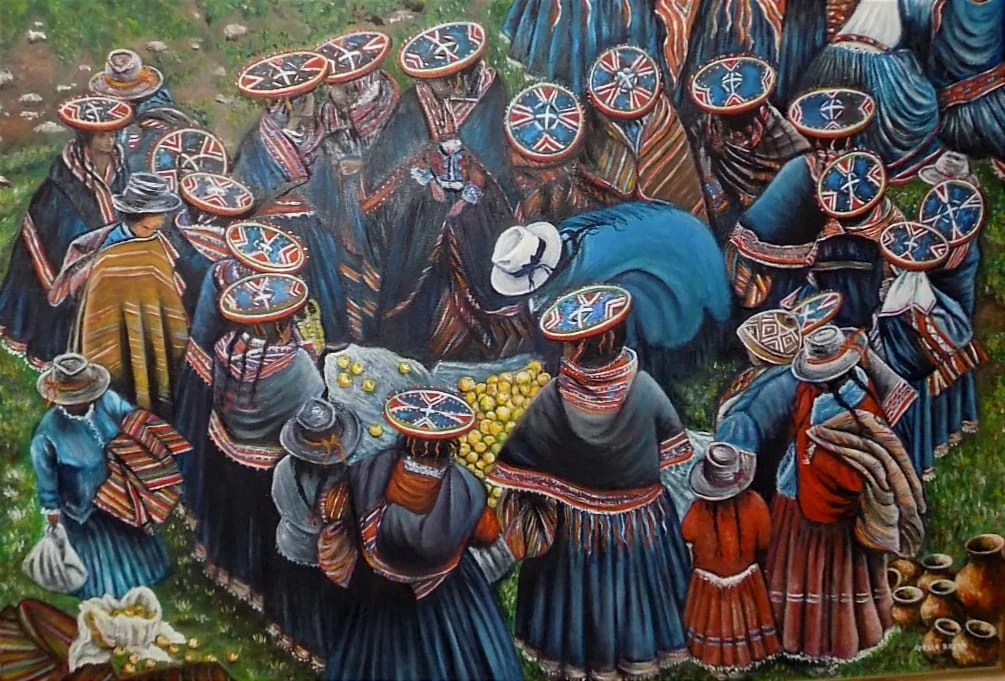
With over 600 works completed throughout her career, some hold special significance in her memory. Among her favorites is her painting of Machu Picchu, along with portraits of the elderly, whom she often claims to “match” with her gaze to capture the expressiveness of their faces, and the family scenes inspired by the Quebrada de Humahuaca.
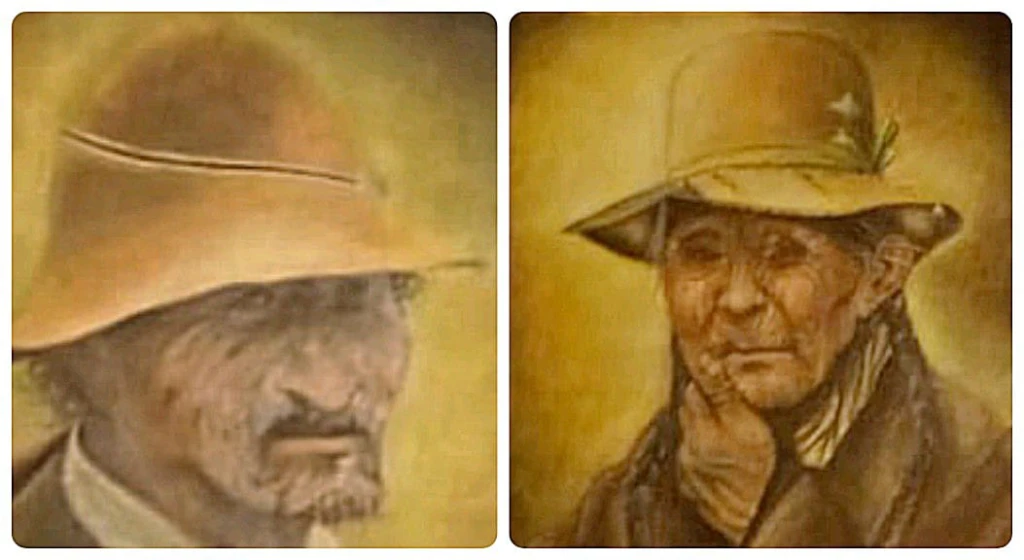
“I have always been drawn to the characters, the idiosyncrasies, and the suggestion that emerges from this region. In my canvases, I try to capture that way of being. Each of my characters has life and represents a much deeper human connection than a cold model,” Norma confessed.
Career and Cultural Commitment
This commitment to art and culture garnered recognition both in Argentina and abroad. Throughout her career, she received numerous awards, cups, diplomas, and distinctions that testify to her production.
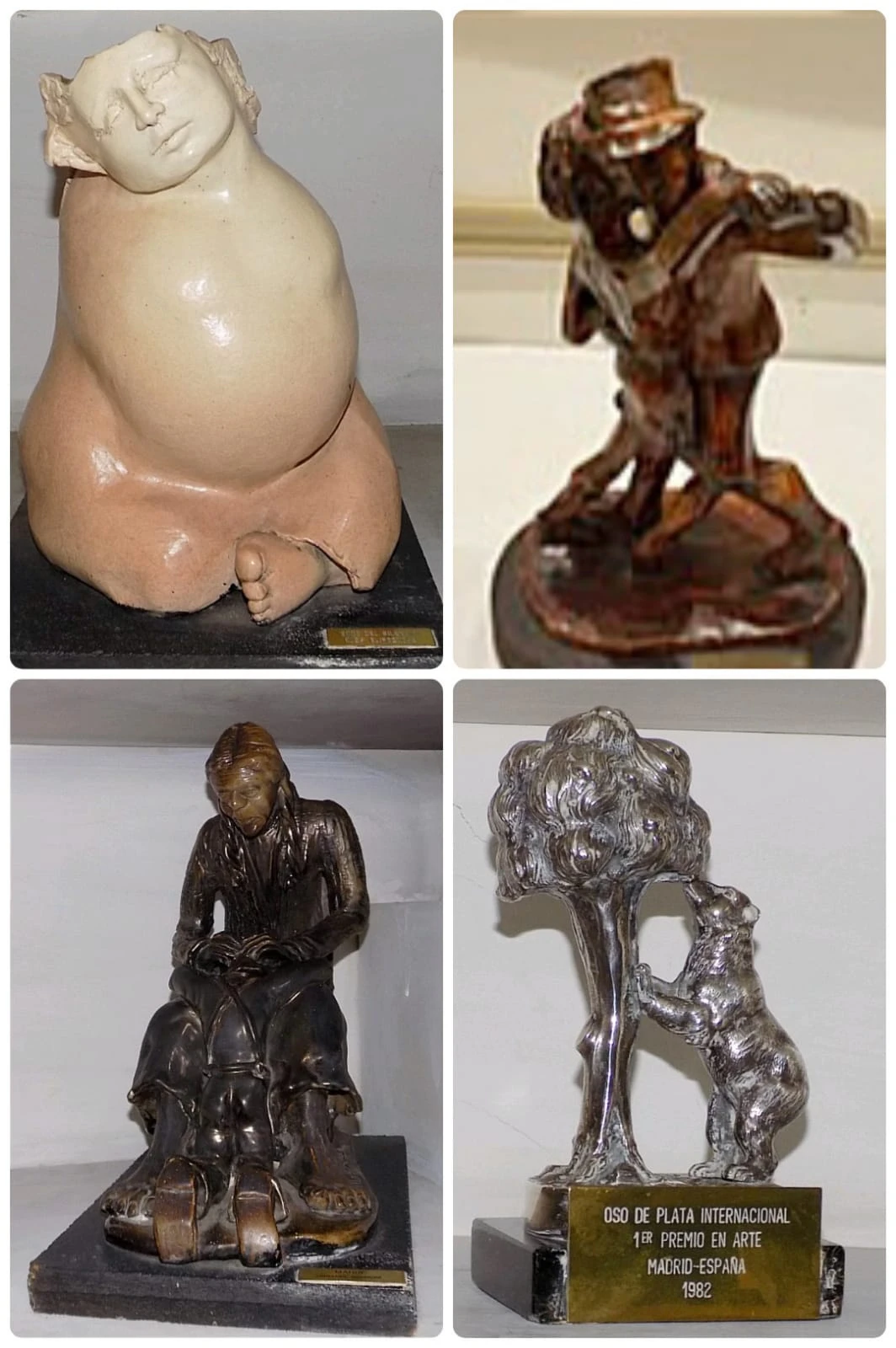
The paintings and art are part of her life: a pink vase opened the doors to Europe for her. It is a still life, accompanied by two delicate roses, which won a first prize and marked the beginning of a constant rise in her career. Her paintings have been sold in various countries, and several museums have acquired her work. Currently, more than 300 pieces of hers are spread across different parts of the world.
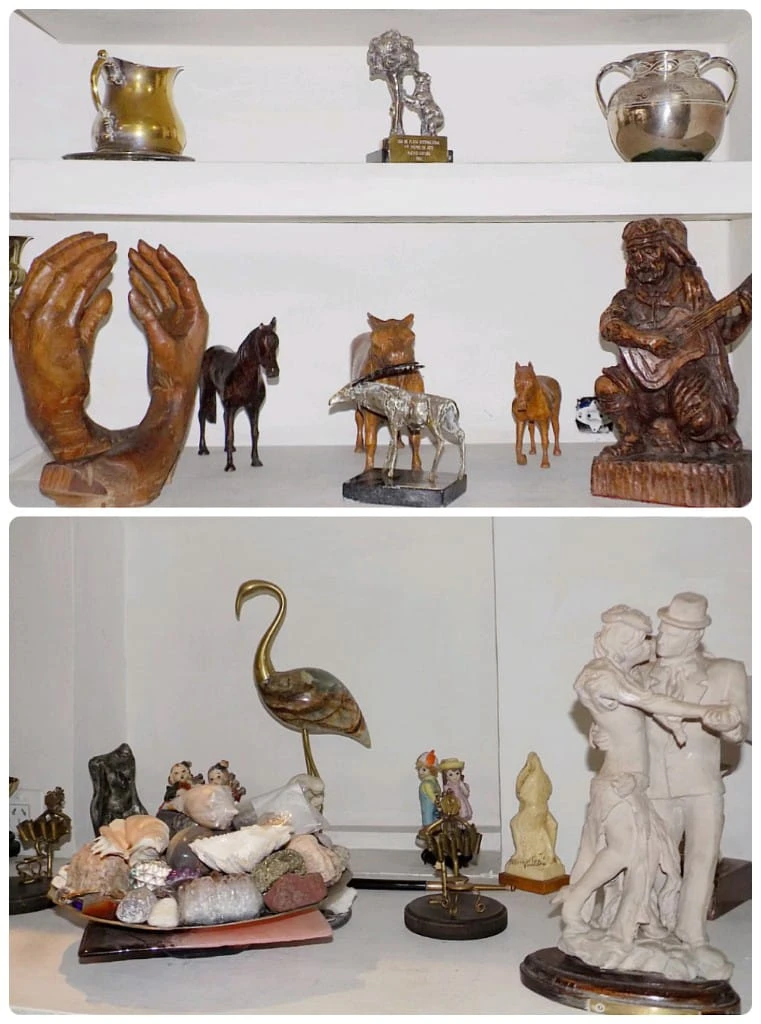
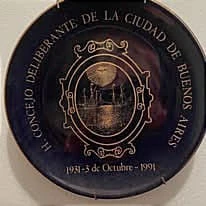
Her contribution to the cultural field transcended painting. She served as the National Director of Culture and the Director of Exhibitions for the Deliberative Council for thirty years, a position from which she imposed a profound renewal of artistic activity within the institution.
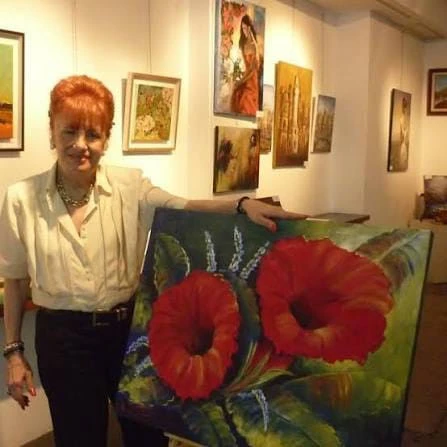
She organized exhibitions dedicated to different disciplines of the visual arts and completed more than 6000 exhibitions with round tables, screenings, conferences, concerts, and poetry festivals. Thanks to her constant willingness to engage in dialogue and support, numerous visual artists found opportunities there to display their work and introduce their creations.
Her commitment to indigenous communities also left a deep mark: she became a godmother to Toba, Mapuche, Colla, and other Latin American children. In 1980, she managed to portray a woman identified as Pachamama, aged 115, and the last Ona indigenous person, aged 108. These experiences reinforced the lifelong mission she upheld: the defense and dissemination of national culture and Argentine heritage.
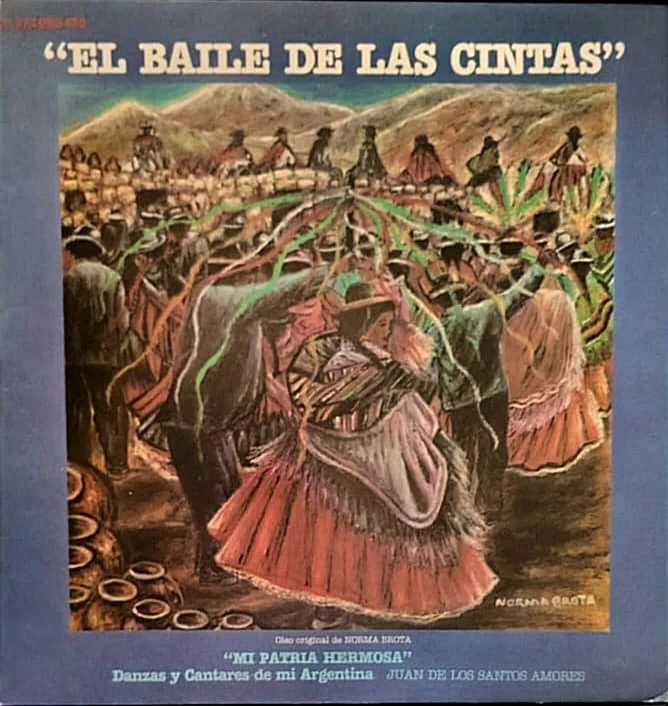
As a cultural ambassador, she took her work to various international stages, including Israel, Spain, Italy, Belgium, and the OAS in the United States, among others. In addition to her activities as a painter, she illustrated several books and participated in the first Guarani-Argentine dictionary, which included five of her works. She also designed 30 album covers, including "El baile de las cintas."
The transmission of her knowledge occupied an important place in her career: she conducted workshops for students in the City of Buenos Aires, coordinated cultural institutions, and accompanied many emerging artists in their first steps. Additionally, she created the foundation “Opening Paths in Art,” which this year celebrates its 51st anniversary. Since its inception, it has been dedicated to promoting artistic diffusion and supporting new generations of creators.
Awards and Distinctions
Among the numerous honors she received throughout her career, highlights include the Order of Arts in Buenos Aires in 1979; the Diploma of Honor with a Gold Medal from the Academy of Art “Città di Boretto” in Rome, Italy; and her appointment as Honorary Member by the House of the Province of Buenos Aires. She was also honored by the Academy of Art and Letters of America and the International Constantiniana Academy of Arts and Sciences in Italy, which designated her as an academic.
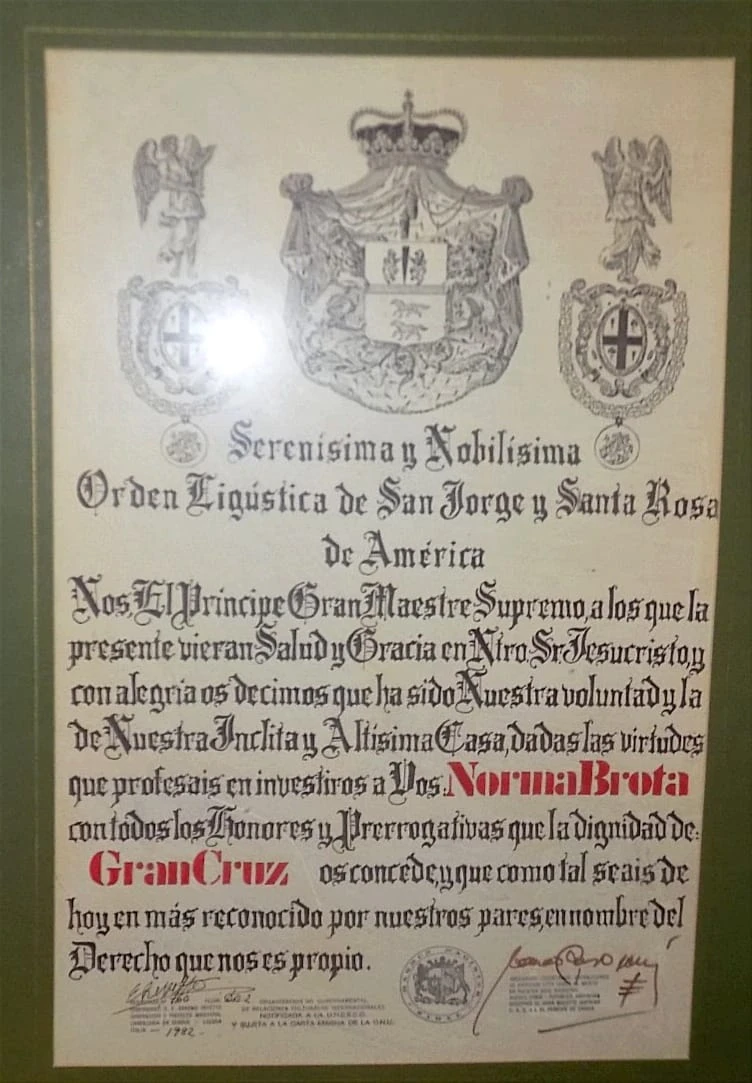
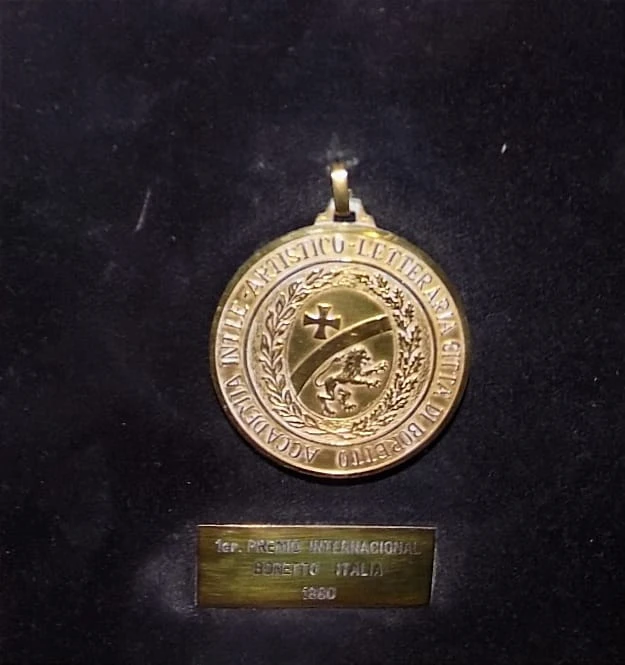
Her recognition transcended borders: in Belgium, she was named Honorary Dame and Grand Master of Saint George of Bites, while in Rome she participated in a major international exhibition that brought together more than 6000 visual artists, being the only Argentine painter selected to represent the country.
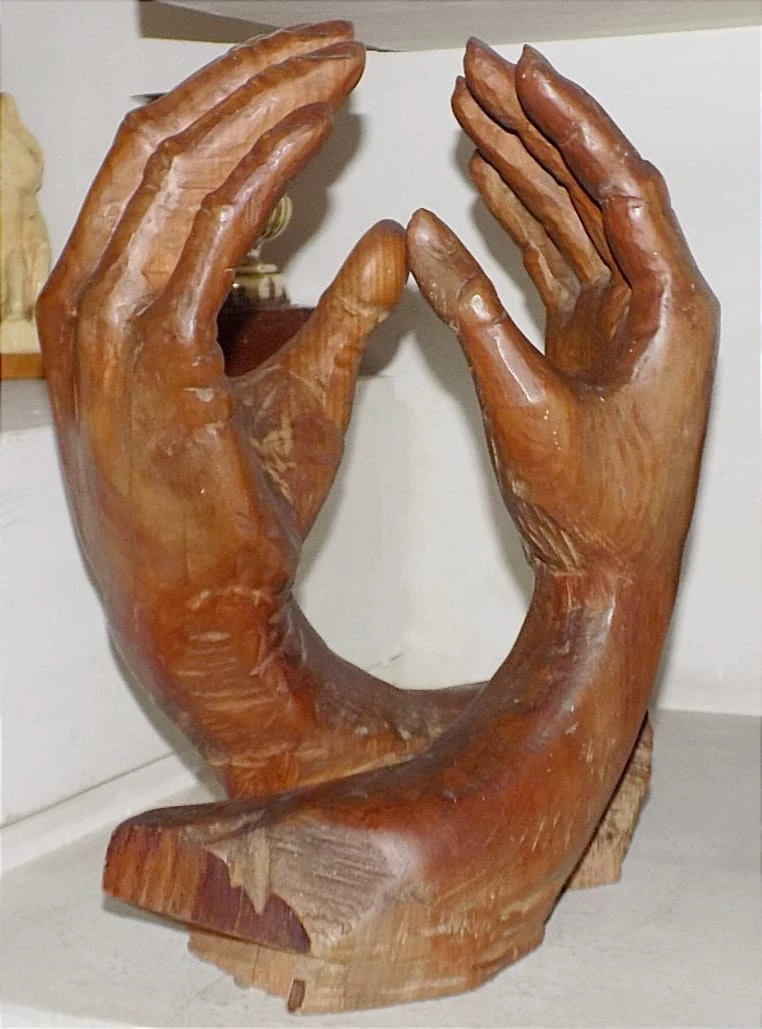
Throughout her career, she obtained over 130 national and international awards, in addition to honorary titles, medals, and diplomas acknowledging both the quality of her work and her contribution to disseminating Argentine culture worldwide.
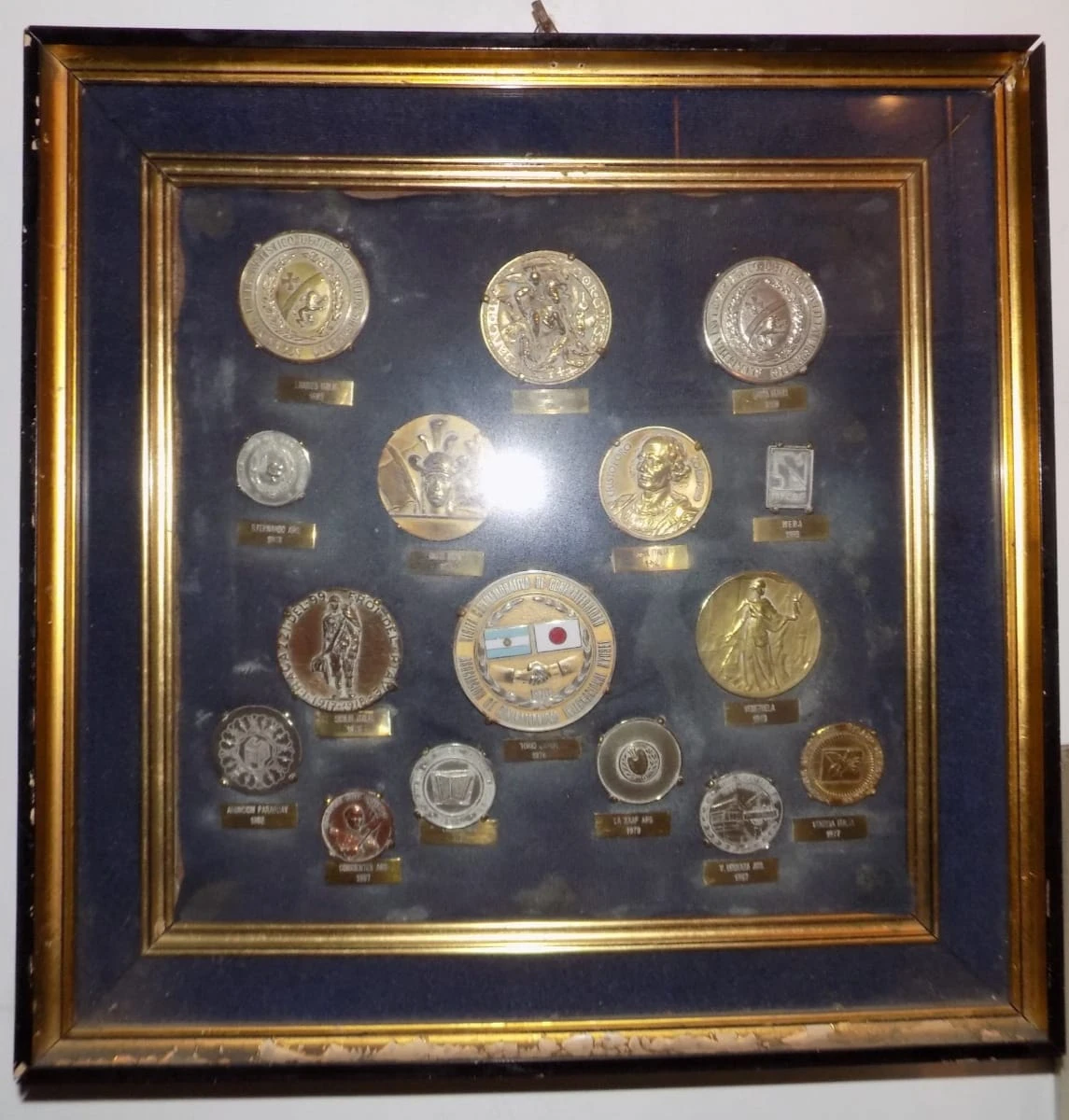
“I have received many awards; it’s a very long list to mention. But what is most important to me is that all these distinctions have been awarded to me as an Argentine, and I am very proud of that. Painting, preparing colors, studying a face or a movement are some of the most pleasant pleasures I can experience in life,” expressed Norma.
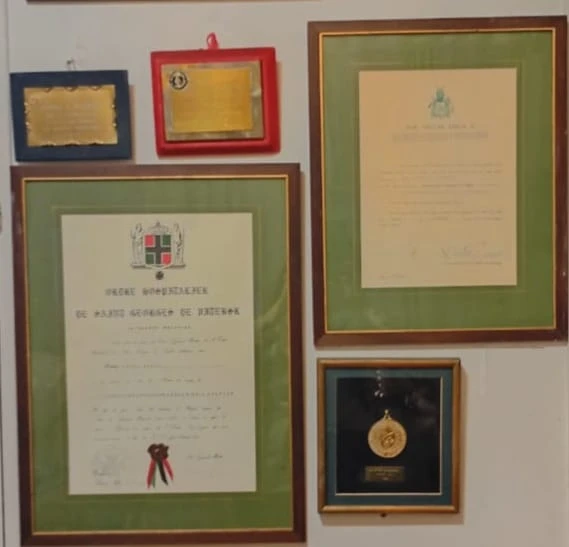
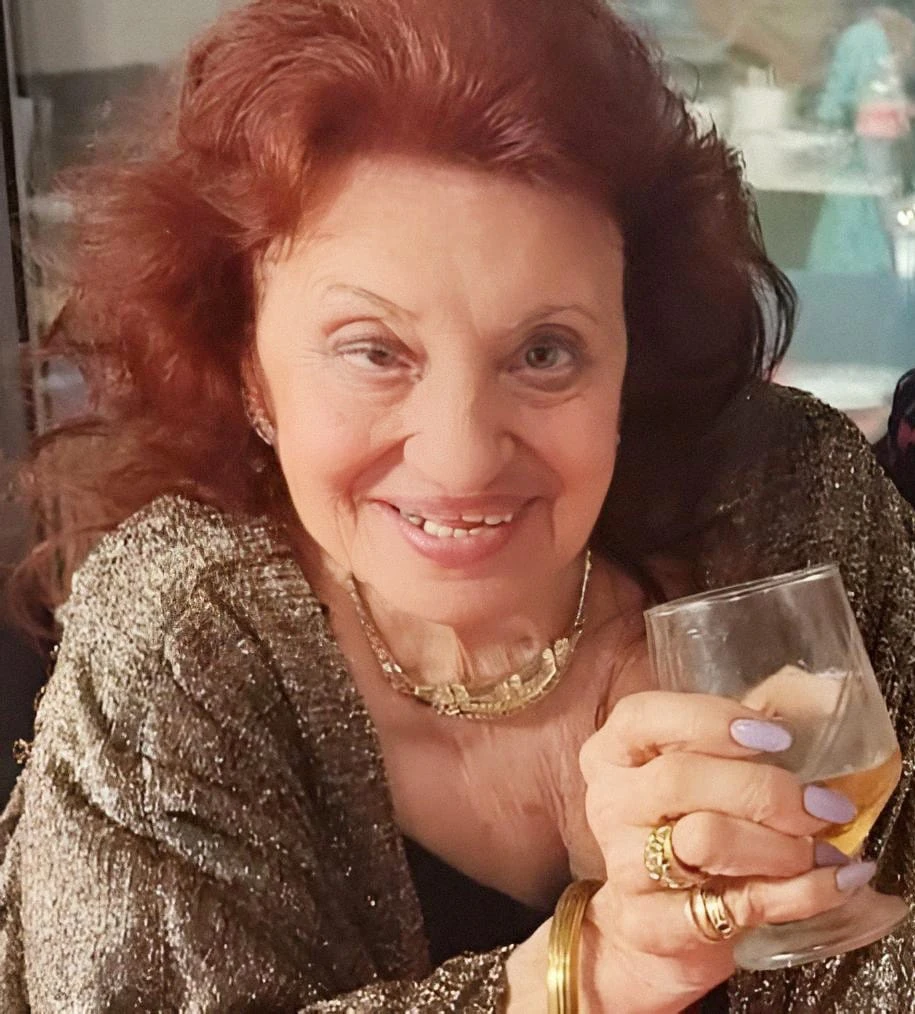
Norma believes that there is a painting that does not die, that it is eternal, and it is one that nourishes itself from humanity and its suffering. Today, she spends her days surrounded by the colors, landscapes, and characters that have given meaning to a whole life dedicated to art. With over six decades of work, hundreds of artworks, and an tireless cultural endeavor, she continues to be a reference whose brush has transformed memory, traditions, and the identity of peoples into artistic heritage.
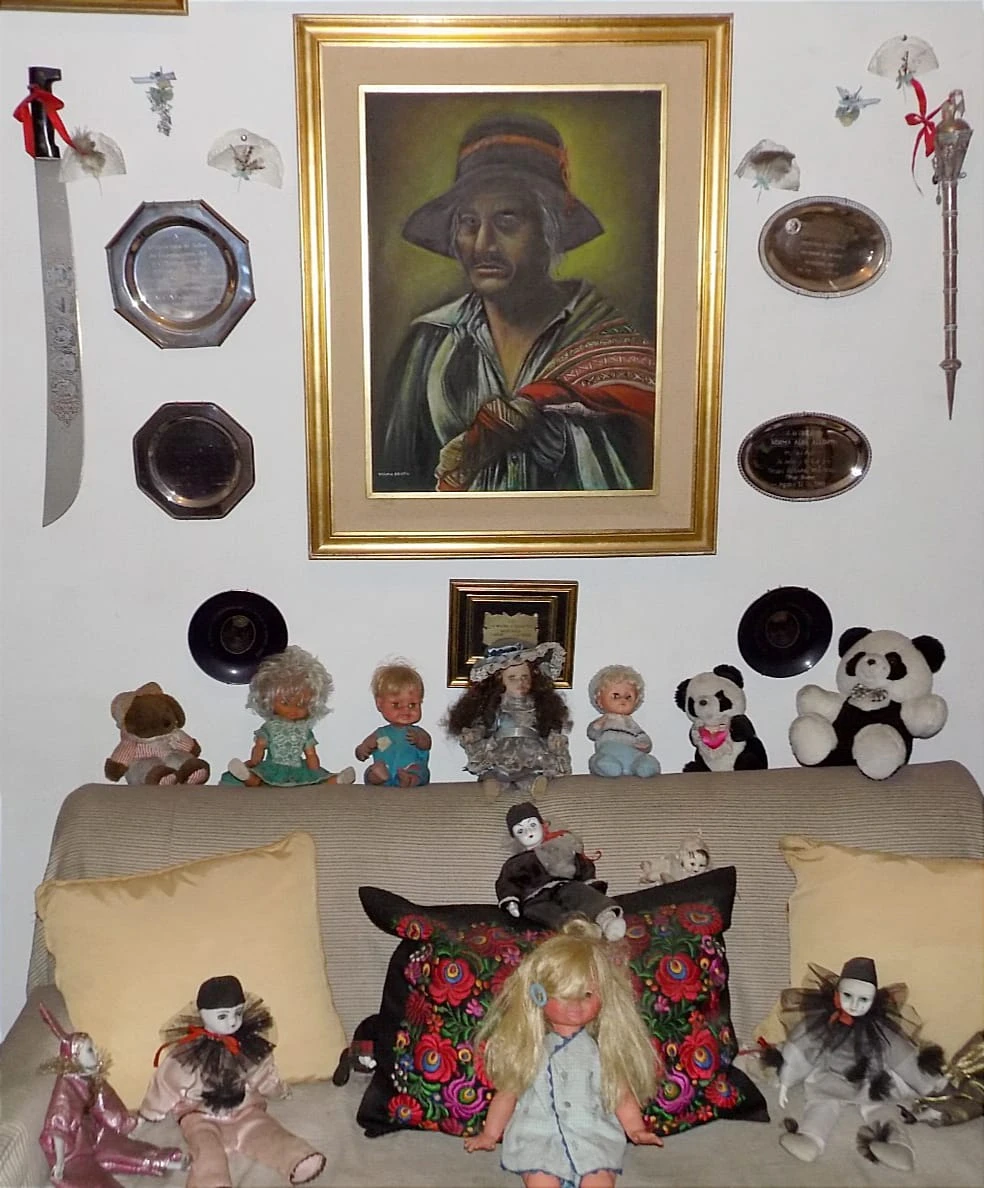
True to her love for her land and the values that guided her entire career, she leaves a message that summarizes her way of understanding life:
“My wish is for Argentina to move forward and for us all to be happy because Argentina is a great country that has everything.”
© Note created by Stella Roque. WhatsApp: +54 9 1153751313. All content is protected by copyright. The YouTube video is part of the series "Encounters in Art," produced by Gds Radio and Libros de Papel.